
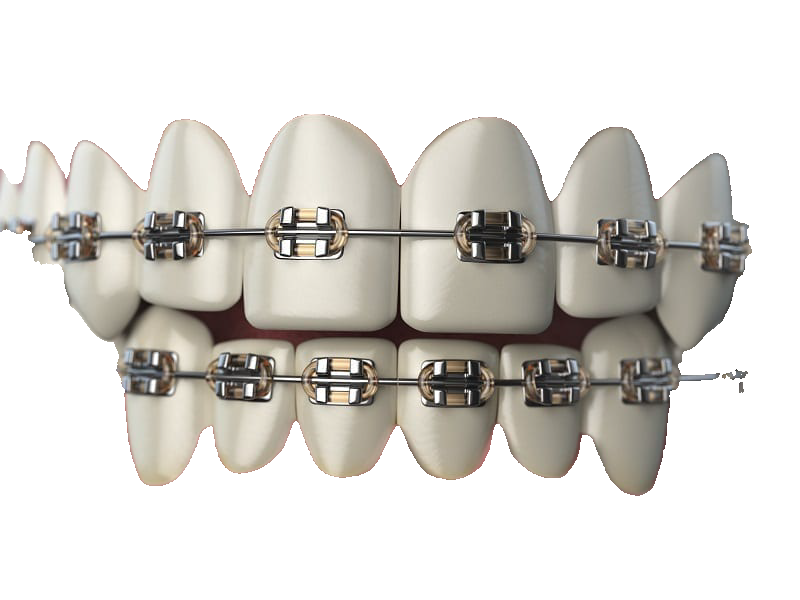
What Are Dental Braces? Everything You Need to Know
Introduction
A healthy smile is more than just an attractive feature—it is an important part of your overall health and confidence. If your teeth are crooked, crowded, or your bite is not properly aligned, dental braces may be the ideal solution.
Dental braces are orthodontic devices designed to gradually move teeth into their correct positions. They apply gentle, continuous pressure over time, helping to improve both the appearance and function of your smile.
At Muni Labs Dental Clinic, we believe that understanding your treatment options helps you make informed decisions about your oral health. This guide explains what dental braces are, how they work, their benefits, and the dental conditions they can effectively treat.
What Are Dental Braces?
Dental braces are specialized orthodontic appliances used to correct problems such as crooked teeth, crowded teeth, gaps between teeth, and bite misalignment.
Braces consist of several components working together, including:
- Brackets
- Arch wires
- Elastic bands
- Orthodontic bands (where applicable)
These components work together to apply controlled pressure that gradually shifts teeth into their proper positions.
How Do Dental Braces Work?
Dental braces work by applying consistent, gentle pressure to the teeth over an extended period. This pressure stimulates the jawbone to remodel, allowing the teeth to move safely into their desired positions.
Brackets
Brackets are small attachments bonded directly onto each tooth using a special dental adhesive. They act as anchors that guide tooth movement.
Arch Wires
Thin metal wires connect all the brackets together. During routine appointments, the orthodontist adjusts these wires to continue moving the teeth into better alignment.
Elastic Bands
Elastic bands may be used to connect the upper and lower braces or to increase pressure on specific teeth, helping achieve proper bite alignment.
As treatment progresses, regular adjustments ensure that the teeth continue moving correctly until the desired results are achieved.
Benefits of Dental Braces
Braces provide more than just cosmetic improvements. They contribute significantly to better oral health and overall quality of life.
Improved Smile
Braces help straighten crooked teeth, giving patients a healthier and more attractive smile.
Better Oral Hygiene
Straight teeth are easier to brush and floss properly, reducing the risk of plaque buildup, tooth decay, and gum disease.
Improved Bite Function
Correcting bite problems improves chewing efficiency, speech, and jaw function while reducing unnecessary strain on the teeth.
Increased Confidence
Many patients experience improved self-esteem and confidence after completing orthodontic treatment.
Long-Term Oral Health
Properly aligned teeth experience less uneven wear and are generally easier to maintain throughout life.
Conditions Dental Braces Can Treat
Dental braces are commonly recommended for treating various orthodontic conditions, including:
Crooked Teeth
Braces gradually reposition misaligned teeth into proper alignment.
Crowded Teeth
When there is insufficient space in the mouth, braces create room by moving teeth into better positions.
Gaps Between Teeth
Braces can close unwanted spaces and improve the overall appearance of the smile.
Overbite
An overbite occurs when the upper front teeth significantly overlap the lower teeth. Braces help correct this relationship.
Underbite
An underbite happens when the lower teeth extend beyond the upper teeth. Orthodontic treatment can gradually correct this condition.
Crossbite
Crossbites occur when some upper teeth bite inside the lower teeth. Braces help align the teeth correctly to prevent long-term complications.
How Long Does Treatment Take?
Treatment duration varies depending on the severity of the dental condition.
Most orthodontic treatments typically last between 12 and 24 months, although some patients may require shorter or longer treatment periods.
Regular dental appointments are essential to monitor progress and make necessary adjustments.
Caring for Your Braces
To achieve the best results, patients should:
- Brush after every meal.
- Floss carefully around brackets and wires.
- Avoid hard and sticky foods.
- Attend all scheduled adjustment appointments.
- Wear elastics exactly as instructed by the dentist.
- Maintain excellent oral hygiene throughout treatment.
Frequently Asked Questions
Are braces painful?
Braces are generally not painful during placement. Mild discomfort may occur for a few days after adjustments as the teeth begin to move.
Can adults wear braces?
Yes. Orthodontic treatment is suitable for both children and adults. Many adults choose braces to improve their smiles and oral health.
Will braces affect speech?
Some patients experience slight speech changes during the first few days, but most quickly adapt.
How often are adjustment appointments?
Most patients visit their orthodontist every 4 to 8 weeks, depending on their treatment plan.
Conclusion
Dental braces are an effective solution for correcting crooked teeth, improving bite alignment, and enhancing overall oral health. While treatment requires patience and regular follow-up visits, the long-term benefits are significant.
A properly aligned smile not only looks beautiful but is also easier to clean, healthier, and more functional.
If you are considering orthodontic treatment or would like to know whether braces are suitable for you, Muni Labs Dental Clinic welcomes you to schedule a dental consultation. Our team will assess your oral health, discuss your treatment options, and recommend the most appropriate care for your individual needs.
Book an Appointment
Ready to improve your smile?
Book an appointment with Muni Labs Dental Clinic today and take the first step toward healthier, straighter teeth.